Table of Content
The Cloud Security Paradox
Why Your Vulnerability Checklist is a Liability for Cloud
In the traditional on-premises world, a "checklist" approach to vulnerability management was, if not perfect, at least functional. You scanned your servers, identified the high-severity CVEs, and patched them in order. But as a consultant working with complex cloud estates, I’ve seen that this linear methodology is failing the modern enterprise.
In the cloud, a vulnerability does not exist in a vacuum. A "Critical" CVE on a sandboxed development server is a nuisance; that same vulnerability on a public-facing web server with an overprivileged IAM role is a catastrophe. If your team is still chasing a flat list of thousands of alerts, you are likely suffering from "Vulnerability Fatigue" while the real threats remain hidden in the noise.
The Anatomy of a "Toxic Combination"
The real risk in cloud security isn't found in a single misconfiguration or a solitary software flaw. It is found at the intersection of multiple risk factors that, when combined, create a viable path to your "crown jewels."
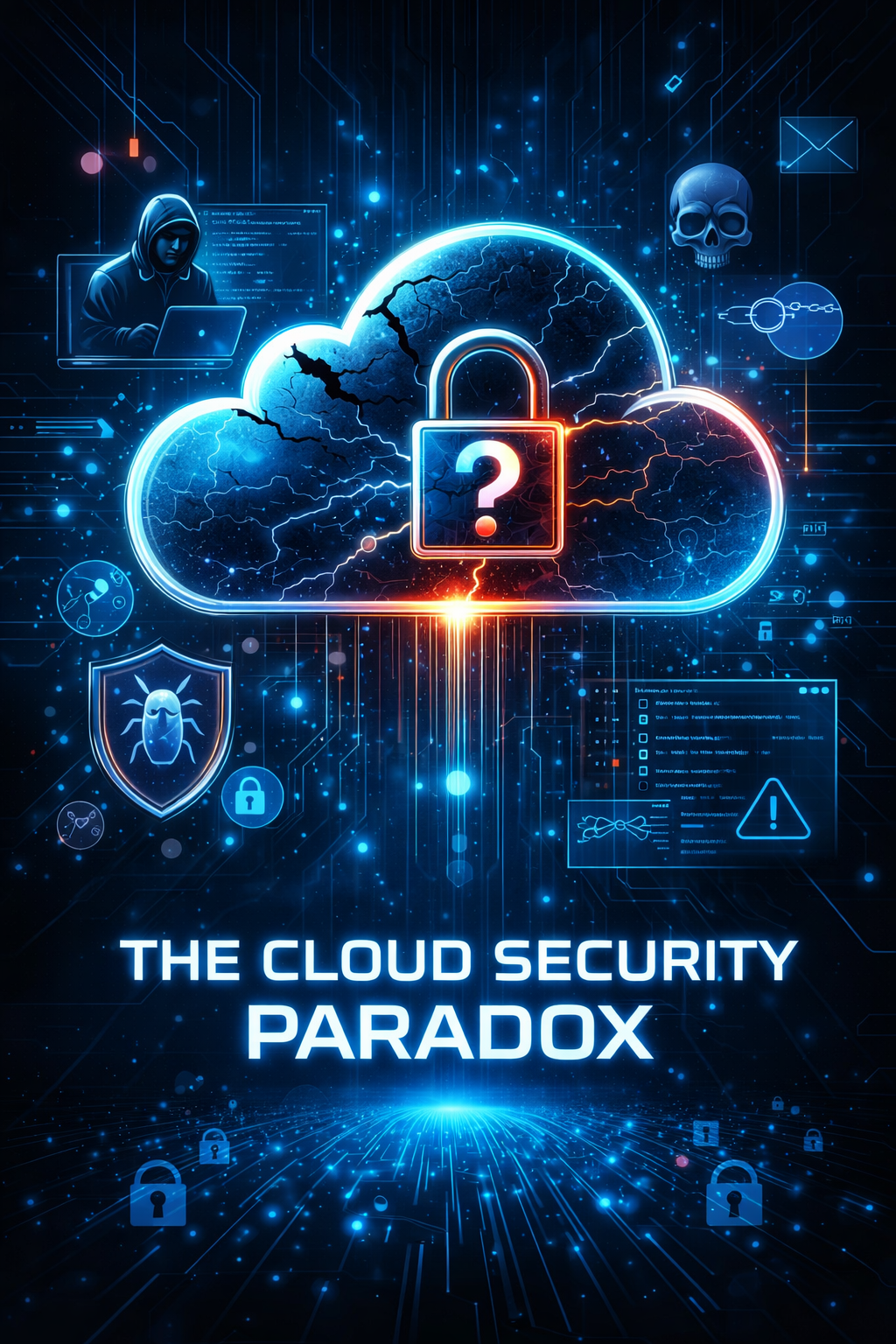
At Cyber Context, we define a Toxic Combination as the confluence of three specific elements:
- Network Exposure: A resource (like a VM or container) that is publicly accessible from the internet.
- Overprivileged Identity: An IAM (Identity and Access Management) role or service account with excessive permissions, such as the ability to read sensitive databases or assume administrative roles.
- High-Severity Vulnerability: A known, exploitable software flaw (typically CVSS 9.0+) residing on that same exposed resource.
When these three factors intersect, they form an exploitable attack path. Research indicates that while many organisations have thousands of "Critical" vulnerabilities, only a tiny fraction (often less than 5%) are actually "reachable" by an attacker.
Moving Beyond the List:
As a cyber security professional service organisation, we support our customers through strategic risk reduction by shifting the focus from severity to exploitability and impact. Instead of handing over an overwhelming flat list of CVE's, consultants integrate three dimensional context; they weigh the CVSS score against criticality of the asset (i.e. a database with sensitive data), and its network exposure (e.g. is it internet facing versus air gapped). By synthesising these data points, we provide a curated roadmap that allows our customers IT teams to stay clear of the 'noise' of theoretical risk and focus their limited resources on the specific vulnerabilities that pose a tangible, high-impact threat to their unique environment
The Result: 80% Fewer Alerts, 100% More Focus
By focusing exclusively on these validated attack paths, we typically help our clients achieve a 60–80% reduction in security alerts.
This aligns with our commitment to Pace and Excellence. We don't want your security engineers wasting precious hours on low-risk patches in isolated environments. We want them focused on the handful of toxic combinations that actually pose a threat to your business continuity.
The Consultant’s Advice: Stop Scanning, Start Mapping
If your security team is still drowning in a sea of unprioritised CVEs, it’s time to change the lens. True resilience comes from understanding the context of your risk, not the count of your vulnerabilities.
Is your cloud security strategy context-aware, or are you just ticking boxes? Let’s map your attack paths and secure what matters most.
TL;DR
Traditional checklist-based vulnerability management is failing in the cloud because it ignores the context of how flaws intersect. The real danger lies in Toxic Combinations, the overlap of network exposure, overprivileged identities, and high-severity vulnerabilities. By shifting focus from flat lists to three-dimensional Security Graphs, organizations can ignore the noise and prioritise the 5% of risks that are actually reachable by attackers. This strategic approach reduces alert fatigue by up to 80%, allowing teams to focus on high-impact threats rather than theoretical risks.
.png)
Stay Ahead in Cloud Security
Get the latest insights and updates on cloud security.
Trusted by industry leaders worldwide
.png)
.png)
.png)
.png)
.png)