Table of Content
The Ghost in the Boardroom
Why Your Next Remote Hire Might Not Exist
As business leaders, we have spent the last few years championing the flexibility of the "anywhere office". It has allowed us to tap into global talent and drive innovation at an incredible pace. However, a new, particularly sophisticated threat is exploiting the very trust that remote culture is built on: the Synthetic Insider.
This isn't a case of a rogue employee or simple resume padding. It is a highly industrialised, state-sponsored operation that uses Generative AI (GenAI) to fabricate entirely "human" identities for the purpose of corporate espionage.
The Case of FAMOUS CHOLLIMA
The scale of this threat is best illustrated by the activities of a DPRK-nexus adversary known as FAMOUS CHOLLIMA. In the past year alone, this group has successfully infiltrated over 320 companies globally, which is a staggering 220% increase compared to previous years.
They don’t just send a fake CV. FAMOUS CHOLLIMA uses GenAI to:
- Fabricate Personas: Create hyper-realistic LinkedIn profiles, professional histories, and AI-assisted coding portfolios that pass the initial technical sniff test.
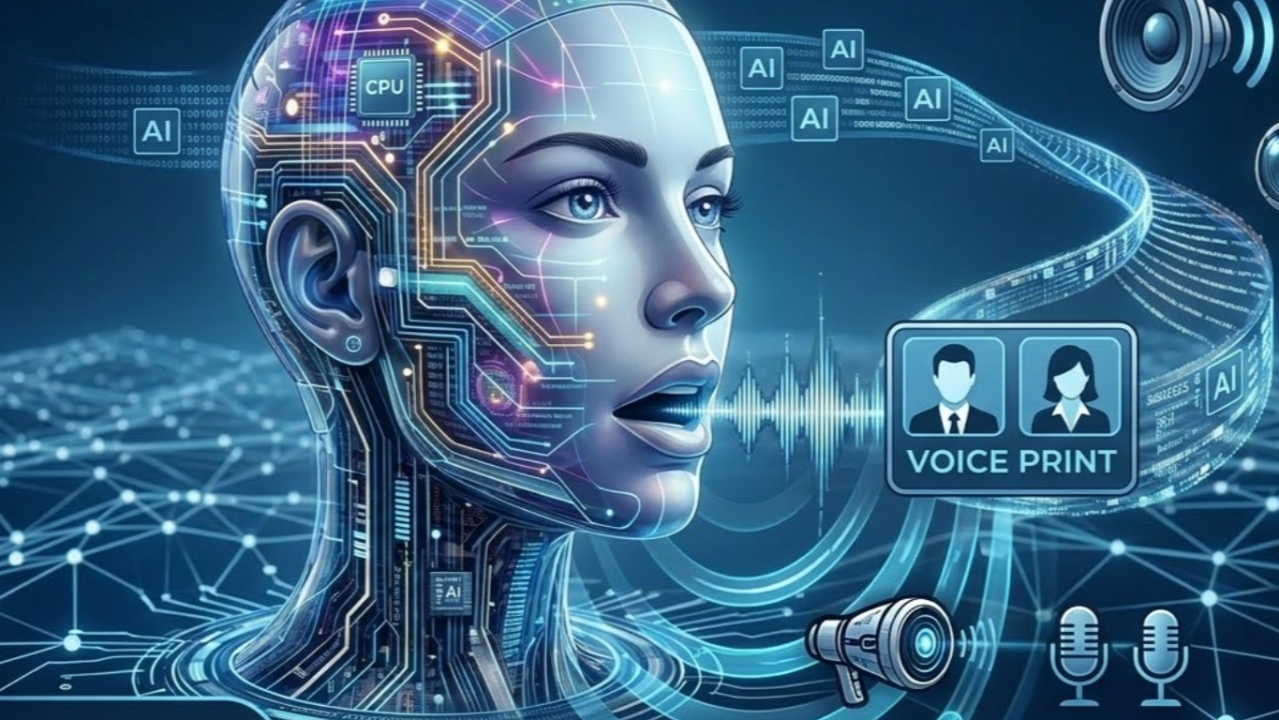
- Deepfake Interviews: During video calls, they use real-time deepfake technology to superimpose a synthetic face and voice over a live operative, making it nearly impossible for a recruiter to spot the deception.
- Monetise Access: Once hired, these "employees" gain access to internal systems and intellectual property, often sending their high-value salaries back to fund nation-state military ambitions

Protecting Your Organisation with Integrity and Care
At Cyber Context, our commitment to Integrity and Care means we don't just look at the technical firewall; we look at the "Human Firewall". Protecting your organisational culture is just as critical as protecting your cloud environment.
To safeguard your firm from the Synthetic Insider, we recommend these three actionable steps to enhance your remote hiring security:
1. Implement Real-Time Deepfake Challenges Standard video interviews are no longer a sufficient proof of life. During the interview process, introduce unexpected "visual challenges" such as asking a candidate to turn their head at a specific angle, wave a hand in front of their face, or change the lighting. These simple actions often cause real-time deepfake software to "jitter" or fail, revealing the digital mask underneath.
2. Multi-Source Corroboration and Background "Integrity" Go beyond the provided references. Corroborate a candidate’s online footprint across multiple platforms and professional networks. If a candidate’s entire digital history was created within the last six months, it’s a red flag. At Cyber Context, we advocate for "Integrity Checks" that involve direct verification with previous educational institutions and employers through known, official channels, rather than using the contact details provided on a CV.
3. Establish a Physical Chain of Custody for Hardware
One of the most effective ways to break the synthetic cycle is to mandate that corporate laptops be picked up in person from a satellite office or a trusted third-party hub, where a physical ID check can be conducted. If this isn't possible, use courier services that require a "wet signature" and a visual ID check against a passport or driving licence before the equipment is released. This ensures the person you hired is the person receiving the keys to your kingdom.
The Bottom Line
The Synthetic Insider represents a fundamental breach of trust. By evolving your hiring practices now, you demonstrate Care for your existing team and ensure the Integrity of your business operations.
Is your hiring process ready for the age of GenAI deception? Let’s talk about how to secure your most valuable asset: your people.
.png)
Stay Ahead in Cloud Security
Get the latest insights and updates on cloud security.
Trusted by industry leaders worldwide
.png)
.png)
.png)
.png)
.png)